Key Facts
-
Starting
23 Jan 2026- Location
- Tooting
- Start Time
- 10:00
- End Time
- 12:30
- Duration
- 9 Weeks
- Study Mode
- Part Time Day
- Days
- Friday
- Start Date
- 23 Jan 2026
- Level
- Entry Level
- Code
- TABX340TL
Fees
- 19+ Fee
- £ 113

Fine Art: - Experimental Approaches to Drawing
Please note that the start of this course has been postponed by 1 week. The course will run now as follows New start date 23/01/26 New end date 27/03/26
Discover new dimensions in your artistic practice with this experimental drawing course, designed to introduce you to unconventional approaches to drawing and challenge your preconceptions of what a drawing can be. This course will enable you to expand your artistic toolkit and discover fresh approaches to bring your ideas to life on paper. With demonstrations and a contemporary context from your tutor, you will explore ways to alter drawing tools and their handling to transform your outcomes. You will learn to use limitations in creative ways, discovering how self-imposed rules and restrictions can lead to unexpected and exciting results. You will be encouraged to find drawings in the patterns, textures, and marks in the world around you and incorporate these into your artwork. This course is ideal for students of all levels who are eager to build on their artistic skills and explore new avenues of creative expression.
-
Entry Requirements
No prior experience is required:*Enthusiasm for learning and working with the human form
*Willingness to engage in practical drawing and painting exercises
-
Course Content
You will be able to: Explore different mark making techniques with modified tools and handling
Using modified tools and handling to emphasise gestural drawing Realise and appreciate your tools extensions of your bodyWork with limitations creatively Make drawings using predetermined rules for unexpected results Be receptive to how limitations can force creative solutions
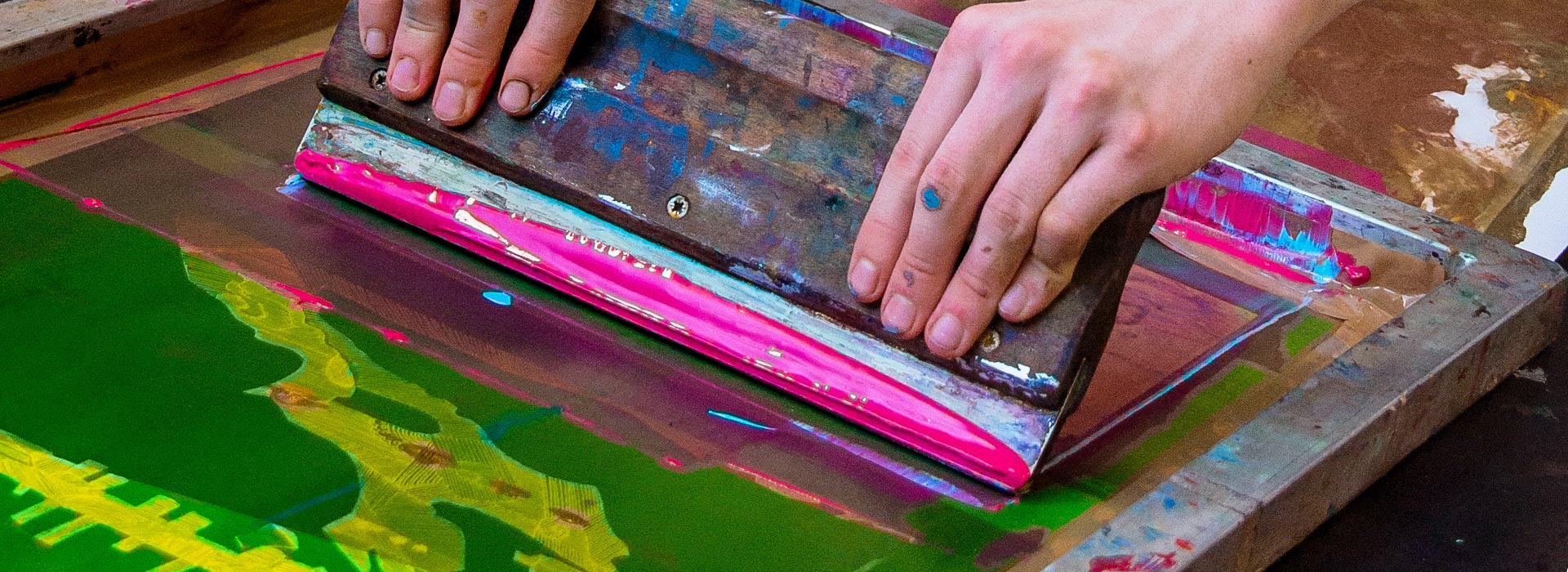
Explore monoprinting and image transfer techniques
Using simple monoprinting techniques to transform your mark making Augment drawings through different transfer methods
Work with found drawings from your surroundings Using rubbing and other transfer methods to use found textures in drawing
Learn to see, collect and assemble drawings from found materialsResearching skills
Knowing the importance of visual diary for inspiration
Presenting your own work and other artists' work in the class -
Progression Next Steps
After completing this course, students may choose to progress to:*Advanced drawing and painting courses
*Specialised courses in general painting, figure composition, or mixed media
*Portfolio development workshops for further study or professional practice
*Open studio sessions for independent practice with tutor support
This course provides a strong foundation for continued artistic development and creative exploration in fine art.
-
Additional Information
Sessions are held in a well-equipped art studio, including easels, drawing boards, and access to a variety of materials and students may be asked to bring additional personal materials as needed. Aprons or suitable clothing for painting are recommendedIf you are on low income this course has concessions (50% off).
The tutor: Nicholas Middleton is an artist working primarily in painting with a background print, and interests in photography, film and video. He studied printmaking at Winchester School of Art and has recently completed a PhD at the Royal College of Art. As a painter he has exhibited widely in the UK, as well as abroad, and has been selected for the prestigious John Moores Painting Prize five times, twice winning the Visitors' Choice Prize, as well as prizes for watercolours at the Bankside and Mall Galleries. Recent work has investigated the relationship between photography, film and painting.
-
Course Structure
This course runs for 9 weeks at Tooting.Format: Practical, studio-based learning in a well-equipped studio with all necessary materials and easels
Sessions will include:
*Tutor demonstrations and guidance
*Individual practice with ongoing feedback
*Group critique and discussion of techniques and artistic choices
*Students will be encouraged to develop personal projects and explore their creativity within the studio environment
-
Assessment Details
Assessment is informal, focusing on participation, engagement, and skill development. You will receive:*Continuous verbal and practical feedback from the tutor
*Constructive peer feedback during group critiques
*Optional showcase of selected studies or paintings at the end of the course
Progress is measured through improvement in technique, observation skills, and artistic confidence rather than formal grading.